
Soaring above - Singapore’s first eVTOL
A significant milestone for Singapore’s aerospace ecosystem.
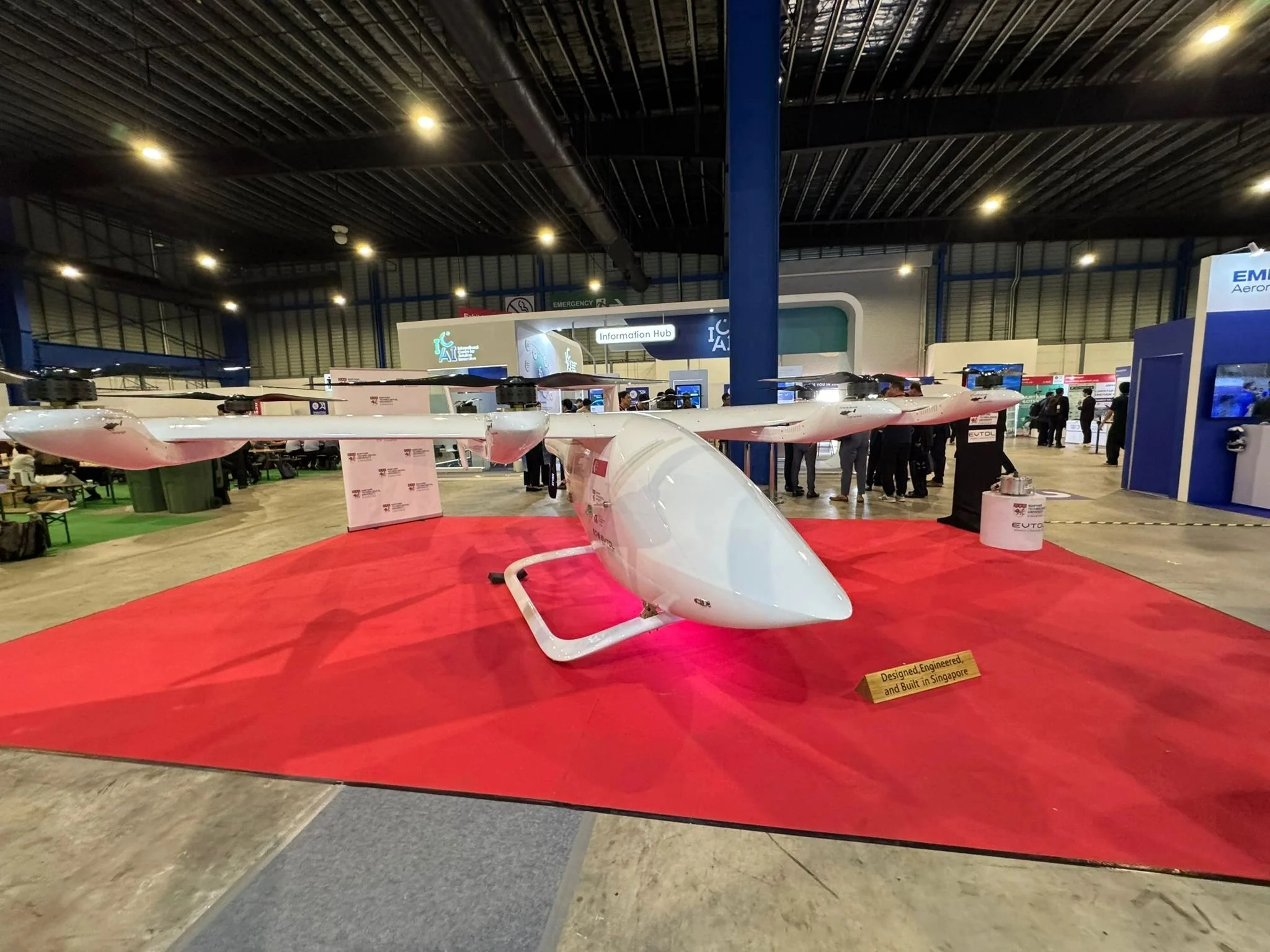
At Singapore Airshow 2026, Singapore’s first domestically designed and produced eVTOL was officially unveiled, a landmark achievement led by the team at Nanyang Technological University.
Flare Dynamics is proud to have provided advanced engineering expertise, fabrication and trial support to this initiative, contributing to the development and validation of key systems as part of this pioneering effort. It has been, and continues to be, a privilege to work alongside NTU on a programme that reflects Singapore’s growing depth in advanced aerospace engineering and system integration.
This unveiling marks an important step forward, not just for the programme itself, but for the broader ambition of building sovereign, high-value aerospace capabilities locally.
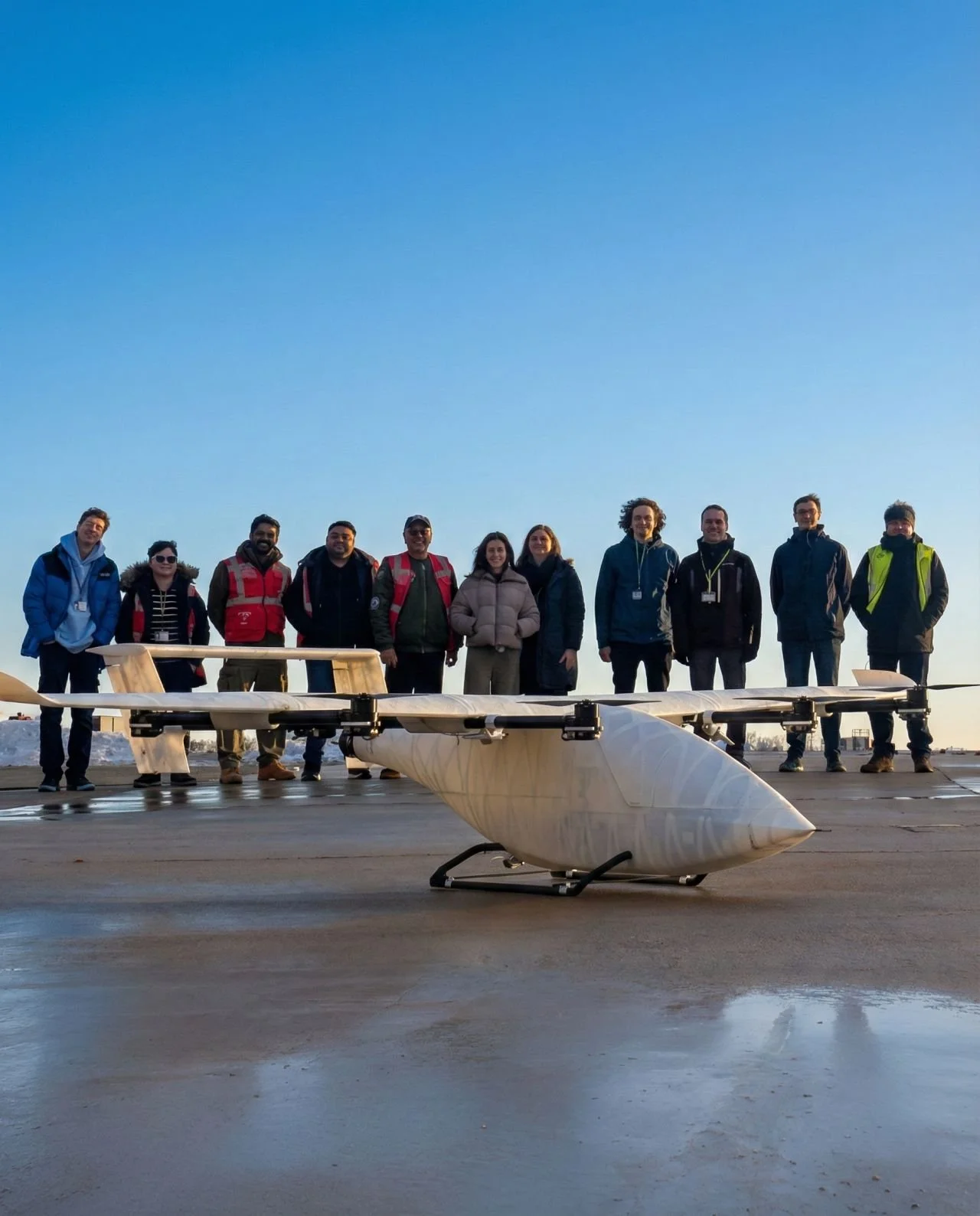
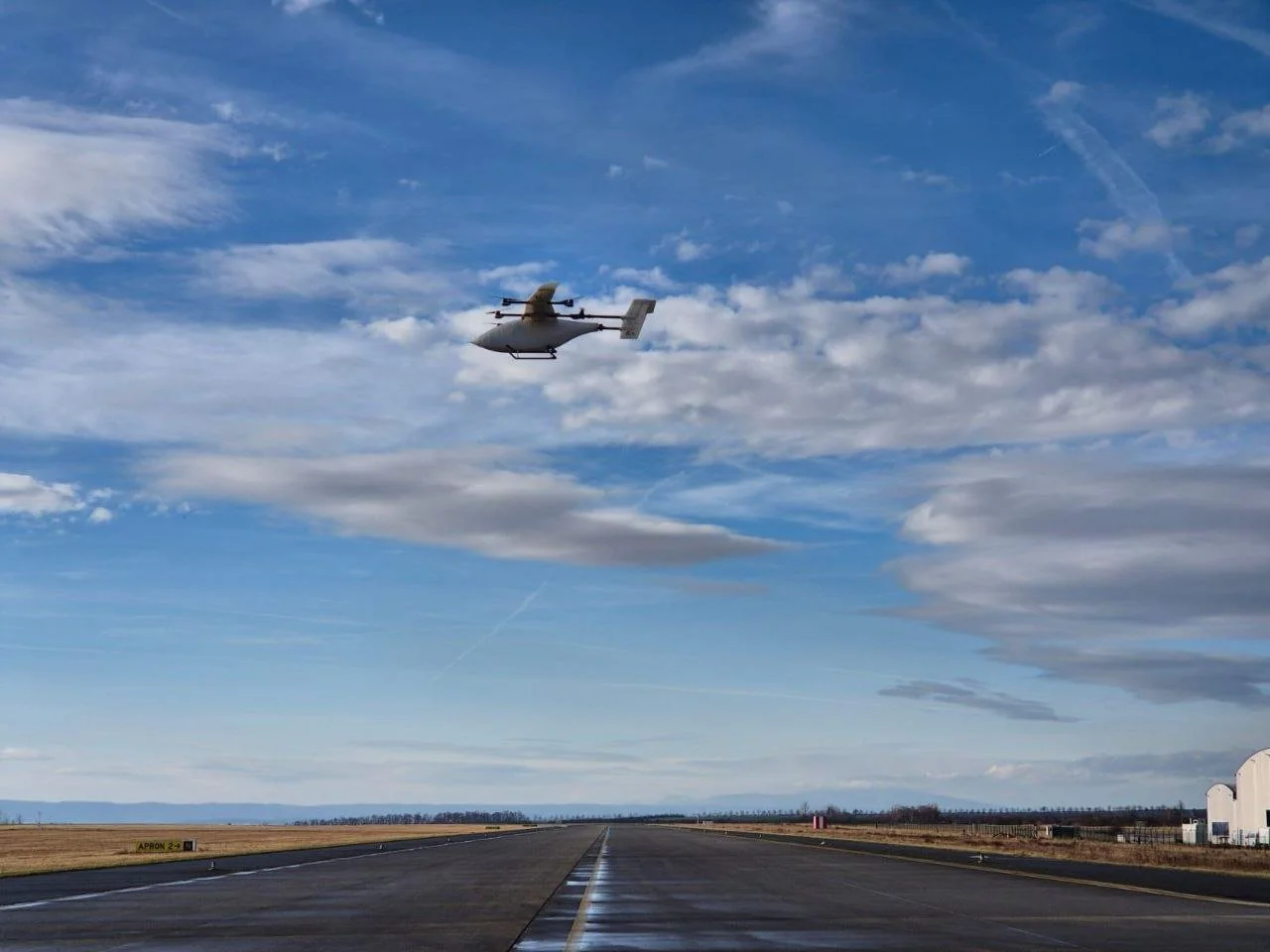
In support of this landmark initiative, our team designed and produced a fleet of aerodynamically accurate Technology Demonstrators to serve as high-fidelity validation assets ahead of full-scale implementation.
These were not display prototypes, but engineered platforms built to determine and validate key mechanical and electrical concepts under real operational conditions.
Through these demonstrators, we were able to de-risk structural architecture, propulsion integration, power distribution, and flight control strategies before scaling. This allowed core assumptions to be tested early, rigorously, and systematically.
A key enabler was a proprietary Additive Machining Design-for-Manufacture approach developed in-house. This technique optimizes strength-to-weight performance while critically accounting for production scalability, print constraints, material behavior, and post-processing realities. The result was rapid iteration without compromising structural integrity or manufacturability.
Our Technology Demonstrators were flight trialed across diverse environmental envelopes, from tropical operating conditions to temperate climates, including sub-zero winter testing. This provided invaluable performance data across thermal, aerodynamic, and material stress boundaries.
This milestone reflects what disciplined engineering execution and close institutional collaboration can achieve. We look forward to contributing further as the programme advances.